
Door control products are changing quickly as needs around security, safety, and operations continue to expand in commercial, institutional, and high-security applications. Systems that once fit most buildings no longer cut it when facility managers require increased control, easier use, and greater system integration.
Developing new door control technology doesn’t always start with mass-market products. Many innovations are built first as custom solutions for clients with specialized needs or challenging applications.
Customization is the backbone of how mainstream products are developed, and where the door industry is headed.
Why Customization Has Become Essential
Every facility is different. Hospitals, schools, warehouses, office buildings, retail spaces, and so many other types of buildings all have different requirements for how doors should act, when they should lock/unlock, and how they interact with users and surrounding systems.
Commercial door hardware and software often fall short in these situations. Hardware may not fit life safety code guidelines, hospital infection-control requirements, secure area specifications, or daily operational needs.
Customization can lead to better security, usability, and long-term performance. As access control, life safety, sensors, and workflows come together on site, details like timing, relay actions, and system responses can be adapted to match how the facility actually operates.
How Market Demands Shape Door Control Technology
You can often find the earliest-adoption use cases for new security tech in high-security, healthcare, education, and industrial applications. These environments have stricter regulatory requirements, and their door control often needs go beyond basic locking functions.
Strict sequencing, interlocking, fail-safe requirements, or coordination between doors and adjacent systems are common. Many high-security facilities use mantraps, sallyports, and interlock controllers to limit access. As security risks spread, these once-niche features are showing up in more schools, retail buildings, healthcare facilities, logistics centers, and data centers.
Many of these high-end applications start as custom projects. When end users require specialized door control features to support their workflows, most manufacturers are unable to accommodate those needs. If a customized controller works well in a highly-regulated environment or high-risk application, its functionality often makes its way into standardized products.
Facility Operations Drive User Expectations
Door control should work for the people using facilities, not against them. Security hardware that gets in the way of natural workflows can create bottlenecks, frustrate users, and open your building up to security and safety vulnerabilities.
Building operators should be able to customize how doors respond to inputs from access control systems, sensors, life safety equipment, building automation tools, and more. They should also be able to fine-tune outputs so locks, door operators, annunciator panels, and visual indicators work together to accurately reflect how people move through spaces.
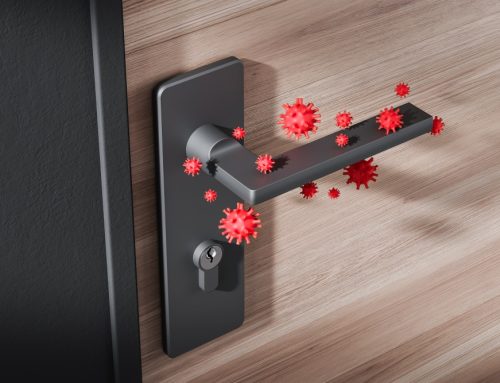
Touchless door controls enable compliance with cleaning protocols at facilities like hospitals. Sequencing may be essential for loading docks and other logistics-related applications. Customization should allow doors to act and react based on how your users need them to.
Customization Creates Mainstream Solutions
Most standard door controllers were custom-made at one point. Once a manufacturer sees the same change or configuration on multiple projects, patterns start to emerge.
Recurring requests from customers often lead to the development of new standardized SKUs. Features that were once manually added to a controller become part of a company’s catalog of options. In many ways, your customers are your R&D department, helping you understand what features the market needs.
Touchless door control is one of the latest examples. From hospitals to classrooms to restaurants, everyone has different definitions of what low-touch and hands-free really mean. What started as completely customized door controllers to meet the needs of healthcare and high-traffic public spaces has evolved into an entire category of door control solutions.
Speed-to-Delivery Matters
In many retrofit and new construction applications, time is of the essence. Door hardware with long lead times can hold up projects and negatively impact construction schedules.
Door control manufacturers who can offer quick turnaround on custom configurations have a leg up. Flexible manufacturing that can be adjusted to meet complex requirements, and that has the in-house engineering and production capabilities to do it, allows integrators and end users to be agile in their own right.
As door control becomes more application-specific, speed-to-delivery will start to matter more than ever.
Made in America vs. Customization
Being able to offer customization depends upon how door controllers are manufactured. Having manufacturing and engineering based in the U.S. allows companies to fulfill orders quickly and offer more responsive support. For customers operating under federal, state, or critical-infrastructure requirements, U.S.-based manufacturing also supports NDAA and Buy American Act (BAA) compliance.
As global supply chains remain unstable, door hardware companies that design and manufacture products in-house can avoid many delays others face. “Made in America” endearments are no longer just a selling point. They can be a necessity for manufacturers who need to ensure timely delivery and long-term product support.
The Future of Customization in Door Control
Customization will always be at the forefront of door technology. As customers and end users continue to develop unique needs, those specialized projects will drive what’s available “off-the-shelf” in the future.
Door control technology is going to be defined by how well it adapts to the needs of the people using it. Those who start treating customization as a core component of their business, rather than an afterthought, will continue to push the industry forward.